
India’s real estate market ended the last financial year on a strong note, with the country’s 28 largest listed developers collectively recording nearly ₹1.95 lakh crore in pre-sales. It is not just a number. It is a reflection of how homebuyers are thinking differently. The jump marks a notable rise over the previous year, indicating …
India’s Realty Giants Close FY26 With Record Pre-Sales, Signalling Strong Buyer Confidence
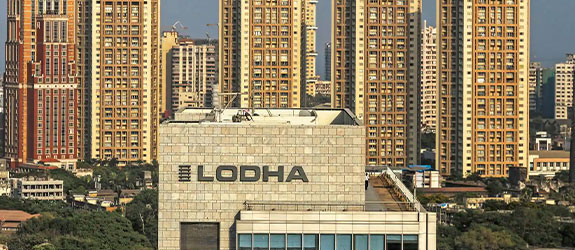
India’s real estate market ended the last financial year on a strong note, with the country’s 28 largest listed developers collectively recording nearly ₹1.95 lakh crore in pre-sales.
It is not just a number. It is a reflection of how homebuyers are thinking differently.
The jump marks a notable rise over the previous year, indicating sustained demand across major cities and a growing appetite for residential projects, especially in the premium and luxury segments. But perhaps the bigger story is who is benefiting from this momentum.
The biggest gains are going to branded developers.
Godrej Properties retained its top position in terms of sales bookings, followed by Prestige Estates and Lodha Developers. Together with DLF and Signature Global, these top five firms accounted for a major share of the market, showing how concentrated buyer trust has become.
That shift says a lot about today’s housing market.
For buyers, especially after years of delayed projects and financial uncertainty in the sector, trust has become one of the most valuable currencies. A home is not just an investment. It is often the biggest financial decision a person makes. That has pushed many people towards larger developers who are seen as more capable of delivering on time and managing projects with stability.
At the same time, luxury housing has become a major growth driver.
Higher ticket launches and rising property prices have boosted the value of sales, even when the volume of homes may not have risen at the same pace. Developers with stronger presence in premium markets have clearly benefited from this trend.
Another noticeable shift is geographical expansion.
Many major developers are no longer relying only on their home cities. Companies are spreading into high demand markets like Mumbai, Delhi NCR, Bengaluru, Hyderabad and Pune, reducing regional dependence and creating broader growth opportunities.
This multi city strategy is becoming increasingly important in a competitive market.
Still, the growth story is not entirely uniform. A few players saw slower sales or declines, showing that while the market remains strong, success is increasingly tied to scale, reputation and product positioning.
The larger takeaway is clear.
India’s real estate market is not just growing. It is evolving. Buyers are becoming more selective, developers are becoming more aggressive in expansion and the balance of power is shifting towards companies that can offer both trust and execution.
For now, the numbers suggest one thing: despite economic uncertainties, the demand for homes remains deeply resilient.
And in that resilience, India’s biggest real estate players are finding their strongest momentum yet.