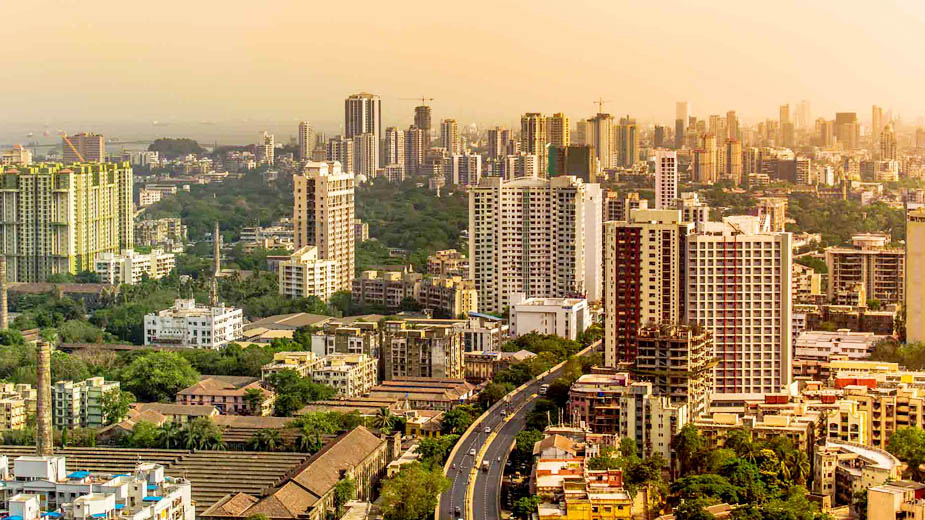
India's residential real estate market is expected to maintain its growth momentum as it moves towards 2027, with premium and luxury housing likely to remain the biggest drivers of demand. Rising incomes, changing lifestyles, urbanisation and a growing preference for larger homes are encouraging buyers to invest in better-quality residential properties. However, rising property prices, …
India’s Real Estate Market Looks Towards 2027 as Demand for Premium Homes Continues to Grow
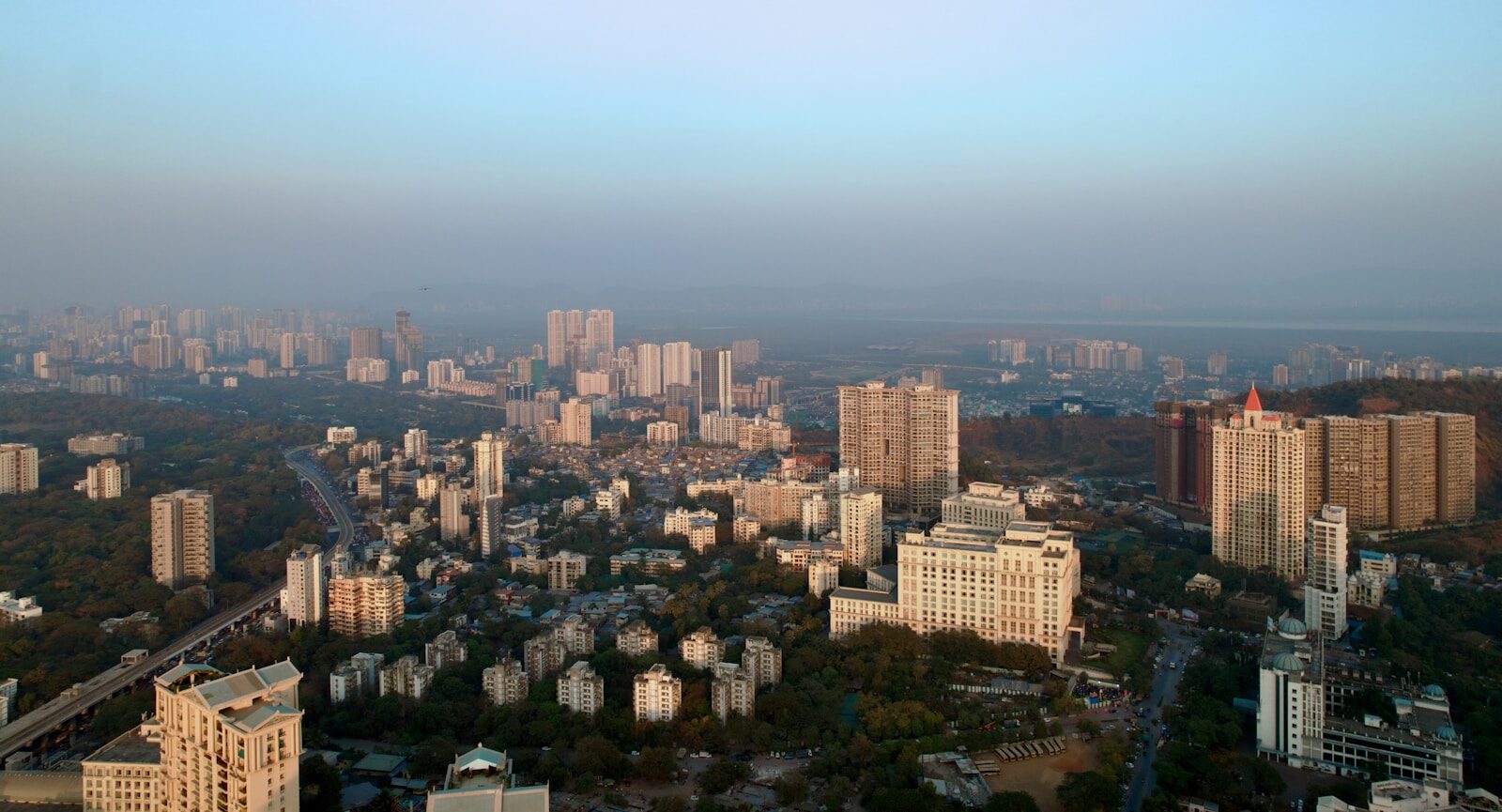
India’s residential real estate market is expected to maintain its growth momentum as it moves towards 2027, with premium and luxury housing likely to remain the biggest drivers of demand. Rising incomes, changing lifestyles, urbanisation and a growing preference for larger homes are encouraging buyers to invest in better-quality residential properties. However, rising property prices, construction costs and borrowing expenses could make homeownership more difficult for middle-income and first-time buyers.
After witnessing strong activity in the years following the pandemic, India’s housing market is now entering a more measured phase of growth. Buyers continue to show interest in homeownership, but their preferences are changing. Developers are also shifting their attention towards premium properties, particularly in established neighbourhoods and locations with better infrastructure.
Premium and Luxury Homes Expected to Lead Growth
The premium housing segment is expected to remain a major contributor to India’s residential real estate market in 2027. The Reserve Bank of India’s decision to increase the benchmark repo rate to 5.5 per cent in October 2026 could influence home loan costs and affect purchasing decisions, especially among first-time buyers.
Despite this, demand from families looking to purchase homes for personal use is expected to support the market.
Ravi Shankar Singh, Managing Director of Residential Transaction Services at Colliers India, believes that the housing sector will remain resilient over the next year, with premium and luxury properties performing better than other segments.
According to Singh, residential sales could register high single-digit to low double-digit growth over the next year, provided interest rates remain stable and economic growth continues. Rising household incomes, urbanisation and the demand for larger, better-quality homes are expected to support this growth.
However, property prices may not increase at the same pace as they did in the years immediately after the pandemic. While price growth is expected to become more moderate, locations supported by infrastructure development and established urban neighbourhoods could continue to attract buyers.
Rising Preference for Premium Homes Changes the Market
The growing demand for spacious homes, modern facilities and better neighbourhoods is changing India’s housing market. Developers are increasingly focusing on premium and luxury projects because these properties offer higher sales values and better revenue opportunities.
According to estimates by ICRA, residential sales value across India’s top seven cities could grow by 8 to 11 per cent in FY27, reaching approximately Rs 7.9 trillion. However, the total area of homes sold is expected to increase by only 2 to 5 per cent.
The difference between these figures suggests that the market’s financial growth will largely come from the sale of higher-value properties rather than a significant increase in the number of homes being purchased.
This shift towards premium housing also raises concerns about affordability. As developers concentrate on expensive residential projects, middle-income families and first-time homebuyers may find it increasingly difficult to access properties within their budgets. Providing a balance between better housing facilities and affordable prices will therefore remain an important challenge for the industry.
Mumbai Reflects Continued Strength in Housing Demand
Mumbai’s residential property market offers another example of the continued interest in homeownership. The city recorded 12,690 property registrations in October 2026, marking a 9 per cent increase compared with the same month last year.
Stamp duty collections also increased by 13 per cent year-on-year to Rs 1,173 crore, according to Maharashtra government registration data analysed by Knight Frank India.
The city recorded more than 12,000 property registrations for the ninth consecutive month. Between January and October 2026, Mumbai registered 1,32,040 property transactions, representing a 7 per cent annual increase.
The consistent growth is particularly significant because it continued despite seasonal factors, including Shraddh and fewer effective registration days during Navratri.
Shishir Baijal, Chairman and Managing Director of Knight Frank India, said the market’s performance reflected sustained buyer confidence and the strength of demand from people purchasing homes for their own use.
Similarly, Devanshu Bansal, Director of UK Realty, believes that many homebuyers are making decisions based on their long-term housing requirements rather than short-term changes in interest rates.
For developers, this also means that attracting buyers will require more than attractive offers and discounts. Construction quality, transparent communication and timely delivery are becoming important factors influencing purchasing decisions.
Luxury Residential Projects Reflect Changing Buyer Aspirations
The growing interest in premium housing is also visible in the scale of new luxury residential developments across major cities.
One example is Pioneer Urban’s Alura project in Gurugram, announced in November 2026. The development involves an investment of more than Rs 3,500 crore and is expected to generate sales worth over Rs 9,000 crore.
Spread across nearly seven acres in Sector 62, the project will include approximately 250 residences. The homes will range between 7,000 and 15,000 square feet and are being designed by the internationally recognised architectural firm Skidmore, Owings & Merrill.
The development will combine private residences with hospitality services, wellness facilities and recreational spaces.
Projects like Alura reflect how the meaning of luxury housing is changing. Buyers are increasingly looking beyond the size of a property and are showing interest in developments that offer a complete lifestyle experience, including comfort, privacy, wellness and access to modern facilities.
Affordability and Rising Costs Remain Key Challenges
Despite the positive outlook, India’s residential real estate sector faces several challenges as it approaches 2027. Rising property prices, construction expenses and home loan costs could affect demand, particularly among buyers with limited purchasing power.
Developers will also need to manage their housing inventory carefully as more premium projects enter the market. A growing concentration of expensive properties could create a gap between the homes being developed and the actual requirements of middle-income households.
At the same time, buyers are becoming more selective about where and what they purchase. Access to workplaces, public transport, schools, healthcare facilities and other essential services is likely to play an important role in their decisions.
While festive offers and flexible payment plans may encourage some buyers to make quicker decisions, the long-term performance of the housing market will depend on economic stability, purchasing power and the ability of developers to deliver projects on time.
A More Selective Growth Phase Ahead
As India moves towards 2027, its residential real estate market is expected to continue expanding, although growth may differ across cities and housing categories. Premium and luxury properties, established developers and locations supported by infrastructure development are likely to remain important drivers of the sector.
However, the industry’s success will not depend on demand alone. Developers will need to maintain buyer confidence by offering good construction quality, transparent practices and homes that justify their rising prices.
The growing popularity of premium housing also makes affordability an important issue. While high-value properties are creating new opportunities for developers, the industry must ensure that the needs of middle-income and first-time homebuyers are not overlooked.
India’s real estate market is therefore entering a new phase in which quality, location, affordability and timely project delivery will be just as important as overall sales growth.