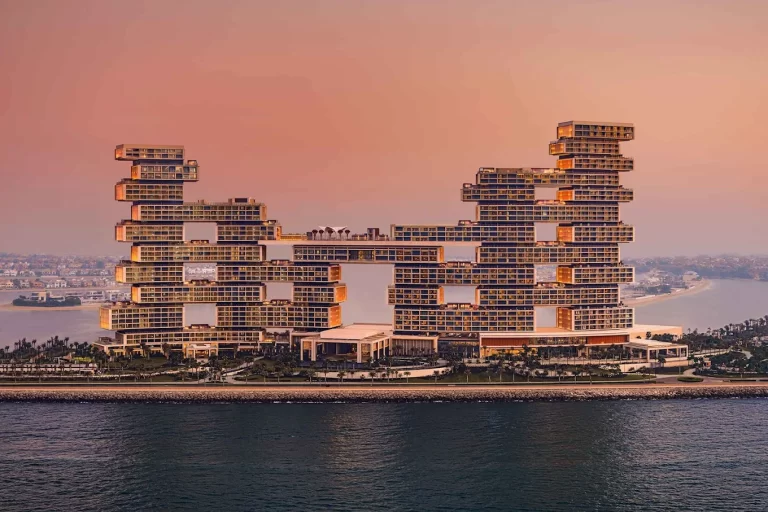

Escalating geopolitical tensions in the Middle East, particularly the ongoing conflict involving the United States, Israel and Iran, have begun to test one of Dubai’s most visible economic success stories — its real estate market. This sector, long buoyed by foreign demand and investor confidence, is now navigating a growing sense of caution among global …
Dubai Property Market at a Crossroads Amid Gulf Geopolitical Strain
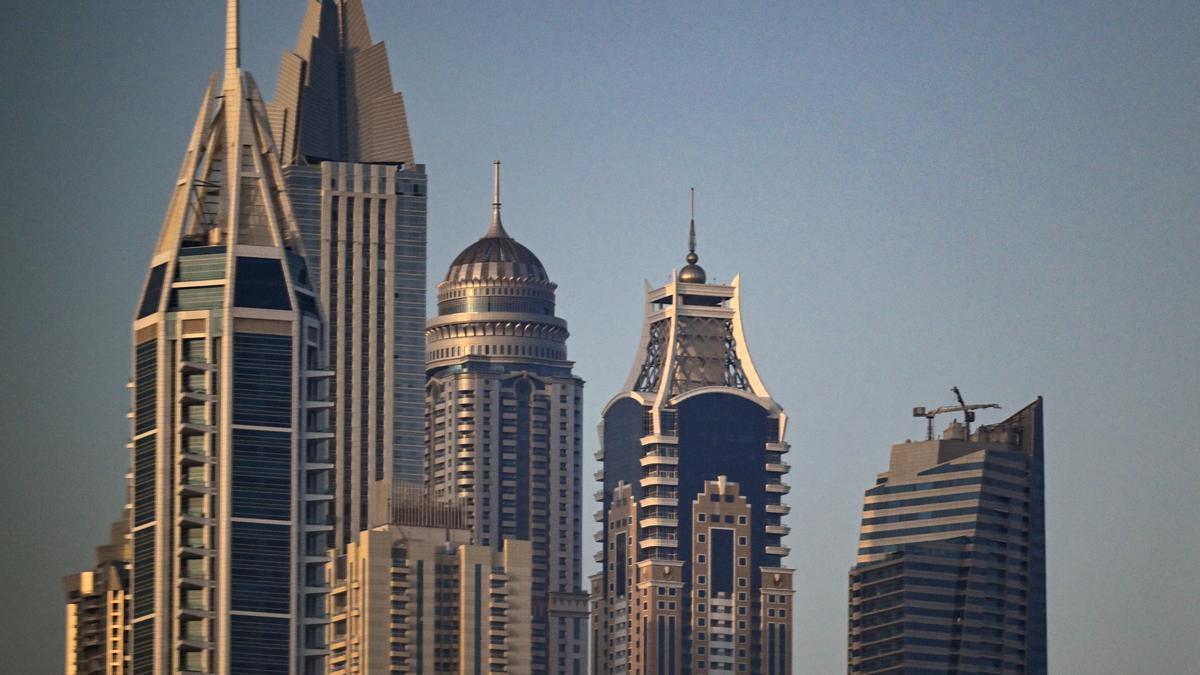
Escalating geopolitical tensions in the Middle East, particularly the ongoing conflict involving the United States, Israel and Iran, have begun to test one of Dubai’s most visible economic success stories — its real estate market. This sector, long buoyed by foreign demand and investor confidence, is now navigating a growing sense of caution among global capital and potential buyers.
Analysts and market participants are seeing a shift in investor sentiment from aggressive expansion to a more wait-and-watch approach, even though the fundamental appeal of Dubai as a global property hub remains intact. Some property transactions are still taking place, and certain high-net-worth investors continue to participate — but the overall momentum is showing signs of slowing as buyers assess the evolving risk environment.
One of the earliest indications of stress has been weaker transaction volumes, with recent data pointing to notable drops in deal activity compared with previous months. Brokers in the UAE and international commentators suggest that uncertainty is prompting both buyers and sellers to pause negotiations, tipping the market toward a temporary lull rather than an outright decline in prices.
The involvement of Indian investors, historically among the largest foreign buyers in Dubai, illustrates the shift in mood. Many prospective Indian purchasers have postponed their plans, choosing to take a cautious stance as geopolitical headlines weigh on confidence. Some brokers even report an increase in properties appearing on the market at distressed price levels, though this does not yet represent a broad-scale downturn.
At a financial level, broader market dynamics reflect this caution. Dubai’s main stock index has experienced volatility amid the geopolitical shock, dragging down shares of property developers and related financial firms as investors reassess risk premiums. Bonds linked to UAE real estate firms have also been pressured, with refinancing risks rising for some developers due to heightened risk aversion.
Despite these headwinds, there are clear signs of resilience. Recent data showed a rebound in property transactions, even if activity remains sensitive to external developments, underscoring how the Dubai market has historically absorbed shocks and recovered quickly. Many developers and industry leaders argue that the emirate’s long-term fundamentals — such as rental yields, tax-advantaged structures, and international positioning — still support real estate as an attractive investment over a medium to long horizon.
In sum, while Gulf tensions have rattled sentiment and altered short-term behaviour in Dubai’s real estate space, the broader market has not collapsed. Instead, what’s unfolding is a temporary cooling period driven by geopolitical uncertainty, where investors are recalibrating expectations before committing to new deals.