
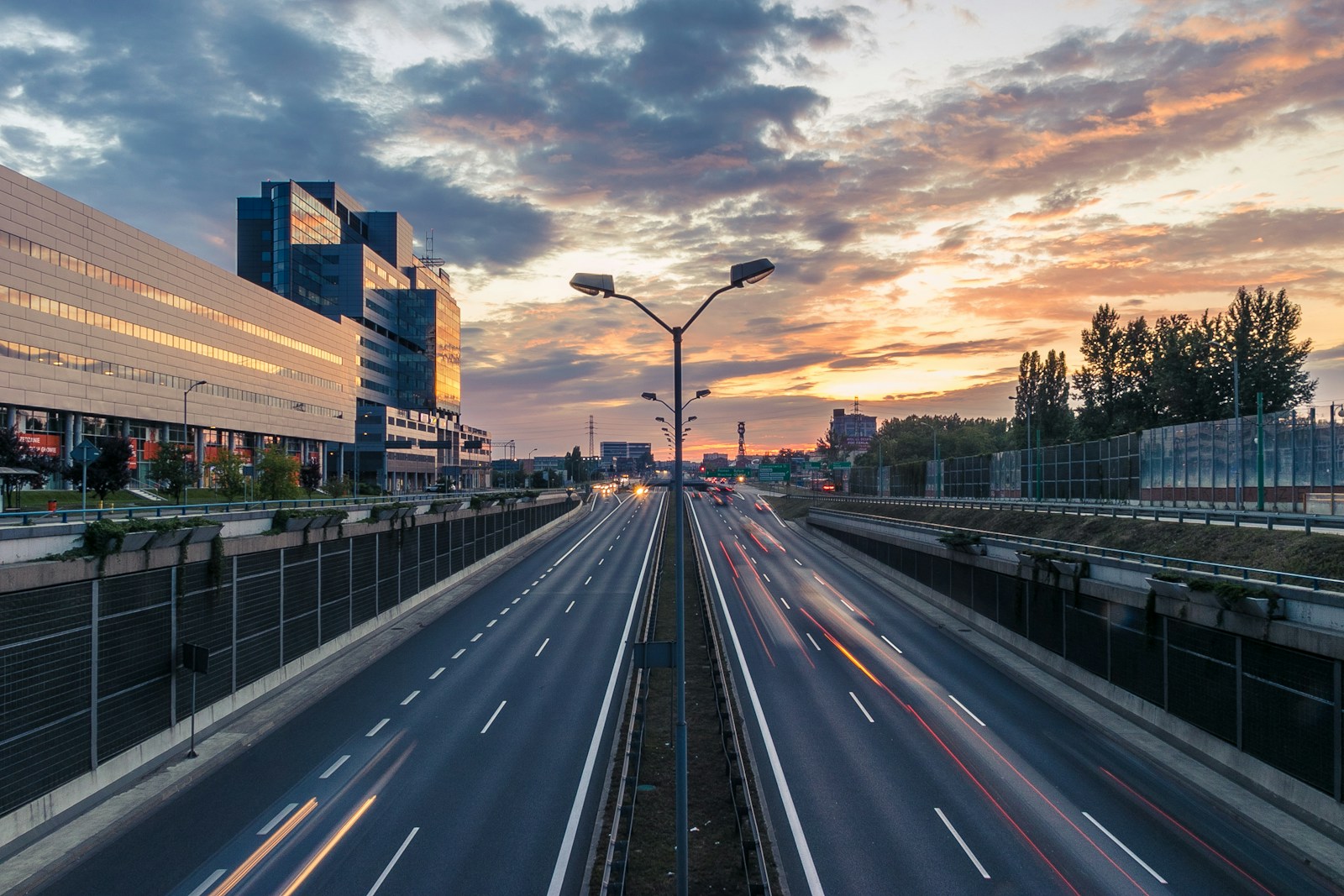
The much-anticipated Delhi–Dehradun Expressway—a transformative infrastructure project promising faster travel between the National Capital Region and Uttarakhand—has taken a major step forward. The expressway opened for a trial run on December 1, 2025, with the formal inauguration expected by February 2026, according to officials from the National Highways Authority of India (NHAI). Originally scheduled to be operational by July 2025 before being pushed to December, the corridor is now nearing completion and is set to be inaugurated by Prime Minister Narendra Modi next year.
The expressway has garnered widespread attention not only for its mobility benefits but also for its far-reaching economic and real estate implications across Delhi-NCR, western Uttar Pradesh, and Dehradun.
A New Growth Spine for Real Estate Development
The improved connectivity between Delhi and Dehradun is poised to attract a wave of new residential, commercial and mixed-use developments, particularly in localities adjacent to the corridor. Developers are already exploring land parcels for premium apartments, plotted developments, and township projects.
Commercial activity is expected to follow suit, with the expressway likely to spur:
- Restaurants and food courts
- Retail complexes and shopping malls
- Hospitals and healthcare centres
- Grade-A office spaces
- IT and logistics parks
For investors, the emerging micro-markets along the route offer early-mover opportunities, with substantial appreciation expected as traffic volume increases and infrastructure stabilises.
Travel Time Slashed to Nearly Half
One of the most striking advantages of the new expressway is the drastic reduction in travel time. While the traditional Delhi–Dehradun route spans nearly 235 km, the new corridor brings the distance down to around 210 km. More importantly, it cuts travel time from over six hours to just 2.5 hours, redefining accessibility between the plains and the foothills of Uttarakhand.
Industry Leaders See a Transformative Impact
Real estate experts and developers are unanimous in their views: the Delhi–Dehradun Expressway will be a major catalyst for property growth across its length.
Unlocking New Micro-Markets
Prasun Kumar, CMO, Magicbricks, highlighted a surge in interest across peripheral NCR zones and western UP towns.
“Enhanced connectivity is bringing new life to areas like Baghpat, Baraut, Shamli and Saharanpur. These locations, once slow-moving, are now seeing traction from end-users, investors and developers. This expressway is reshaping how people view liveability, accessibility and long-term value.”
Dehradun Emerges as a Lifestyle Magnet
According to Gaurav Sobti, Founder, Homegram, the expressway will drive NCR residents to consider Dehradun for primary and secondary homes.
“With its clean air, greenery, quality education and peaceful environment, Dehradun offers an appealing alternative to NCR’s congestion. As commute times shrink, the city becomes even more attractive for those seeking a healthier, balanced lifestyle.”
Affordability in Baghpat Offers Major Upside Potential
Pyush Lohia, Director, Lohia Worldspace, noted strong price appreciation potential in Baghpat.
“Despite a 20–30% rise in 2024, land prices at around Rs 3,566 per sq ft remain far more affordable than Ghaziabad’s Rs 7,645 per sq ft. With new industrial parks and logistics hubs expected to generate thousands of jobs, demand for housing and commercial spaces will rise sharply.”
Ongoing metro and regional transit expansions are expected to further bolster connectivity, driving sustained growth.
Dehradun Set for Over 30% Price Growth
Sakshee Katiyal, Chairperson, Home & Soul, sees the expressway creating new momentum for luxury and second-home markets.
“Dehradun is positioned to lead real estate growth among hill destinations, with prices likely to rise by more than 30%. Luxury retreats, second homes and retail developments will thrive as travel time reduces and weekend mobility improves.”
NCR Micro-Markets to Witness 15–25% Uplift
Vishal Raheja, Founder & MD, InvestoXpert Advisors, projected significant price appreciation across several NCR localities.
“Areas like Loni, Mandola, Narela, Bawana, Tronica City and parts of East Delhi could see a 15–25% price rise over the next 18–24 months. Demand spans multiple asset classes—from farmland and plotted developments to villas, builder floors and holiday homes.”
Raheja also detailed current price bands, highlighting robust activity across investor and end-user segments.
A Corridor of Opportunity
With faster connectivity, rising demand, and accelerating infrastructure development, the Delhi–Dehradun Expressway is set to become one of India’s most significant real estate growth engines. From affordable land pockets in western UP to premium second homes in the Himalayan foothills, the corridor is reshaping residential preferences, unlocking new investment avenues, and redefining urban expansion patterns.
As the expressway nears its formal launch, the region is poised for a wave of economic activity that will benefit homebuyers, investors, developers, and local communities for years to come.