
Mumbai’s skyline keeps rising. New towers, luxury apartments and redevelopment projects continue to reshape the city at a rapid pace. But beneath the promise of growth, a much older and more fragile issue has resurfaced, water. With reservoir levels dropping sharply and the Brihanmumbai Municipal Corporation tightening water usage across the city, questions are growing …
Mumbai’s Water Crisis Is Exposing the Limits of Its Real Estate Boom

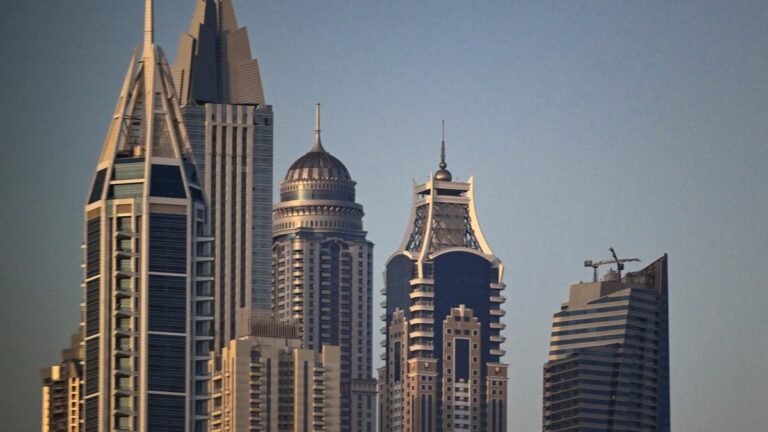
Mumbai’s skyline keeps rising. New towers, luxury apartments and redevelopment projects continue to reshape the city at a rapid pace. But beneath the promise of growth, a much older and more fragile issue has resurfaced, water.
With reservoir levels dropping sharply and the Brihanmumbai Municipal Corporation tightening water usage across the city, questions are growing over what this could mean for one of India’s most active real estate markets.
For now, many developers are not sounding alarm bells.
The reason is practical. Construction activity in Mumbai has, over time, become less dependent on municipal water. Many developers already rely on recycled water, treated sewage and tanker supplies for day to day operations. This has helped insulate ongoing projects from immediate disruption.
That may explain why there is little panic in the sector, at least for now.
But the calm does not erase the bigger issue.
Water scarcity is exposing a structural gap in Mumbai’s growth model. The city continues to expand vertically and horizontally, yet the pressure on basic infrastructure keeps intensifying. Every new housing cluster, commercial tower and redevelopment plan adds to demand on systems that are already stretched.
And water remains one of the most critical.
The current restrictions may only be temporary, but they have reopened an uncomfortable question: how sustainable is rapid urban expansion when essential resources are becoming increasingly unpredictable?
Experts have long warned that Mumbai’s challenge is not just about rainfall. The city receives heavy monsoons every year, but storage, conservation and distribution remain persistent concerns. Population growth and rising standards of living are also increasing per capita water consumption.
That means even when supply stabilises, demand keeps climbing.
For smaller developers, prolonged restrictions could create additional cost burdens. Tanker dependency and recycled systems require money, and not all projects have the same capacity to absorb those expenses. Over time, these added costs could affect timelines and possibly even housing prices.
But beyond project economics, the larger concern is about urban planning itself.
Real estate and infrastructure cannot operate in separate conversations. Housing growth without parallel planning for water, waste management and public resources creates a fragile ecosystem, one where crises become cyclical rather than exceptional.
Mumbai’s water shortage is not just a temporary inconvenience. It is a reminder that cities are more than buildings.
They are systems of balance.
And if that balance is ignored, even the most expensive square foot in the country cannot guarantee the most basic necessity.