
India’s cities are growing faster than ever before. With migration, population growth and changing lifestyles reshaping urban spaces, the country is entering a phase where the way cities are built will define how millions live in the future. A recent industry report suggests that real estate will be one of the strongest forces driving this …
Real Estate Is Becoming the Blueprint for India’s Urban Future
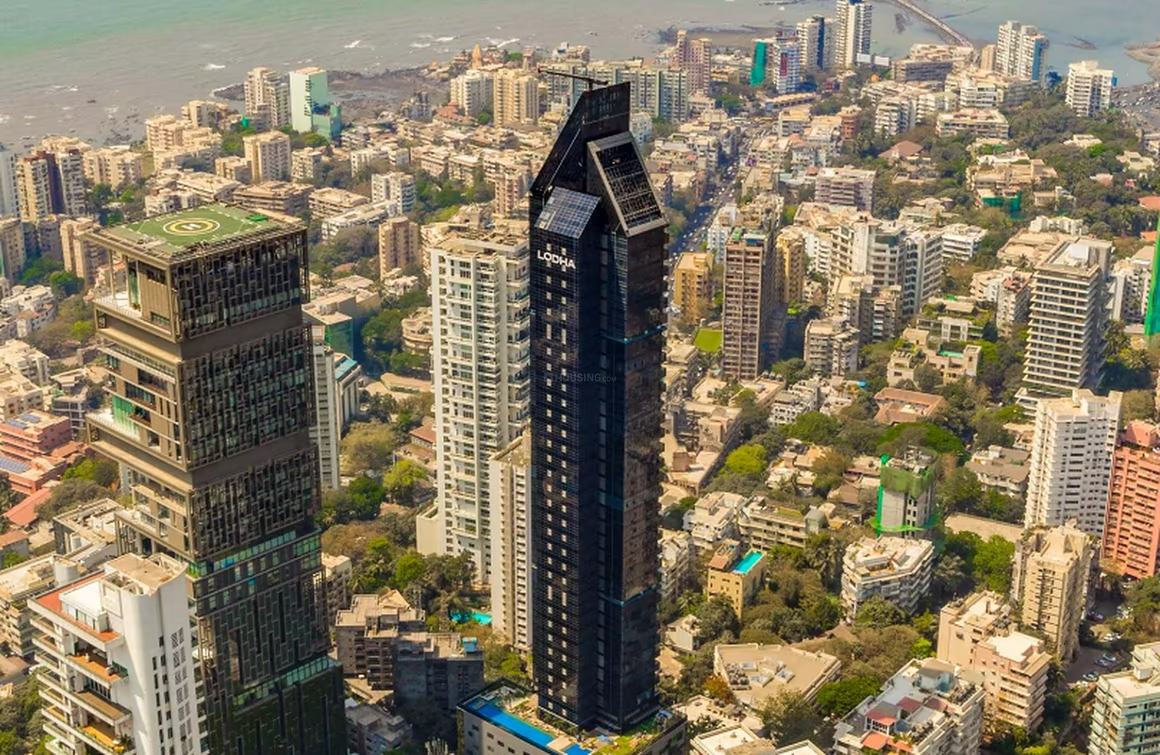
India’s cities are growing faster than ever before. With migration, population growth and changing lifestyles reshaping urban spaces, the country is entering a phase where the way cities are built will define how millions live in the future.
A recent industry report suggests that real estate will be one of the strongest forces driving this transformation.
For years, real estate was often viewed through a narrow lens of buying, selling and investing. Today, its role has expanded far beyond that. It is increasingly tied to how cities function, from housing and infrastructure to workplace design, mobility and sustainability.
As more people move towards urban centres, the demand for housing continues to rise. This is not limited to luxury developments or premium markets. Affordable housing, mid segment residential spaces and integrated townships are becoming equally important as cities attempt to accommodate growing populations without compromising on accessibility or quality of life.
At the same time, infrastructure is changing the geography of growth. Metro corridors, expressways and commercial hubs are opening up new residential zones, pushing cities outward and creating fresh opportunities for both developers and residents. Areas that were once considered distant are now becoming part of the urban mainstream because connectivity has made them more viable.
But urban transformation is not only about expansion. It is also about improving how cities work. Planned developments, mixed use spaces and greener construction models are becoming essential as concerns around congestion, pollution and resource management continue to grow.
Technology is also playing a bigger role in this shift. Digital land records, smart buildings and better project monitoring systems are making the sector more transparent and efficient. These changes are helping developers manage projects with greater precision while making processes easier for buyers and investors.
The growth of commercial real estate is another major factor shaping urban India. As global companies expand operations in Indian cities and demand for office spaces rises, the need for better business districts, supporting infrastructure and nearby housing is becoming more urgent.
Still, the sector faces challenges. Rising costs, land availability issues and the pressure to maintain affordability remain significant concerns. Urban planning in India often struggles to keep pace with the speed of population growth, which means that execution will be just as important as vision.
What makes this moment crucial is that India’s urban future is being built right now. Decisions made today about housing, infrastructure and planning will influence the quality of life for generations.
Real estate, in that sense, is no longer just an economic sector. It is becoming the framework through which India imagines and constructs its cities.
And as urbanisation continues to accelerate, the question is no longer whether real estate will shape India’s transformation. It is how effectively that transformation can balance growth, inclusion and sustainability.