
India’s ongoing LPG shortage is not only affecting restaurant kitchens but may also begin to influence the country’s retail property market, with industry experts warning that prolonged disruptions could lead to rent renegotiations between restaurant tenants and landlords. Restaurants across several cities have reported operational difficulties due to irregular deliveries of commercial LPG cylinders, limiting …
LPG Supply Disruption Could Spill Into Retail Real Estate as Restaurants Struggle
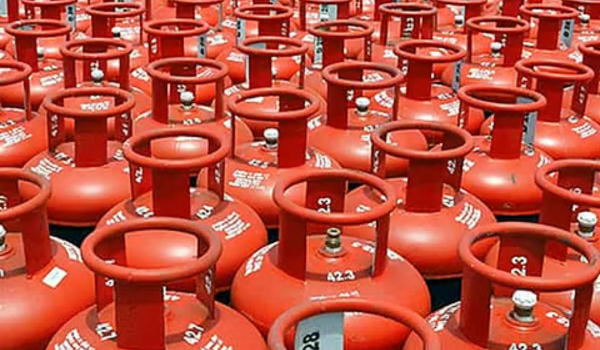
India’s ongoing LPG shortage is not only affecting restaurant kitchens but may also begin to influence the country’s retail property market, with industry experts warning that prolonged disruptions could lead to rent renegotiations between restaurant tenants and landlords.
Restaurants across several cities have reported operational difficulties due to irregular deliveries of commercial LPG cylinders, limiting kitchen capacity and affecting both dine-in services and delivery orders. If the shortage continues for an extended period, restaurant revenues could fall, forcing some businesses to shut outlets temporarily or even relocate.
Food Businesses Face Operational Pressure
Commercial LPG is essential for restaurants and cloud kitchens, which rely heavily on high-volume cooking throughout the day. Supply disruptions have already forced many eateries to cut down menus, reduce cooking hours, or search for alternative energy sources.
Industry experts say that if restaurants cannot operate at full capacity, their revenue streams will weaken, creating financial strain for tenants operating in malls, high-street retail spaces, and food courts.
Possible Ripple Effect on Retail Rents
Food and beverage outlets are among the most important tenants in retail real estate because they attract consistent customer footfall to malls and shopping streets. When such businesses face operational disruptions, it can affect the overall performance of retail properties.
Real estate analysts note that restaurants often allocate a significant portion of their operating budget to rent. If business activity slows, many tenants may approach property owners seeking rent deferments, discounts, or revised lease terms to manage costs.
Renegotiations May Follow if Crisis Persists
For now, industry bodies say the situation remains manageable and there is no widespread disruption yet. However, if the LPG shortage continues for weeks rather than days, the financial stress on restaurants could escalate.
In such a scenario, restaurant operators may request temporary rent relief or renegotiate lease agreements with landlords. Some outlets could also consider closing underperforming locations to control costs, which would directly affect occupancy levels in retail properties.
A Sector-Wide Domino Effect
Because restaurants drive traffic to malls and retail streets, any slowdown in the food service sector can affect neighbouring stores and the broader retail ecosystem. A prolonged fuel supply disruption could therefore trigger wider economic ripple effects across hospitality, retail leasing, and property management.
For now, both restaurateurs and property owners are closely watching the situation, hoping that LPG supplies stabilise before the crisis begins to reshape retail leasing dynamics.